
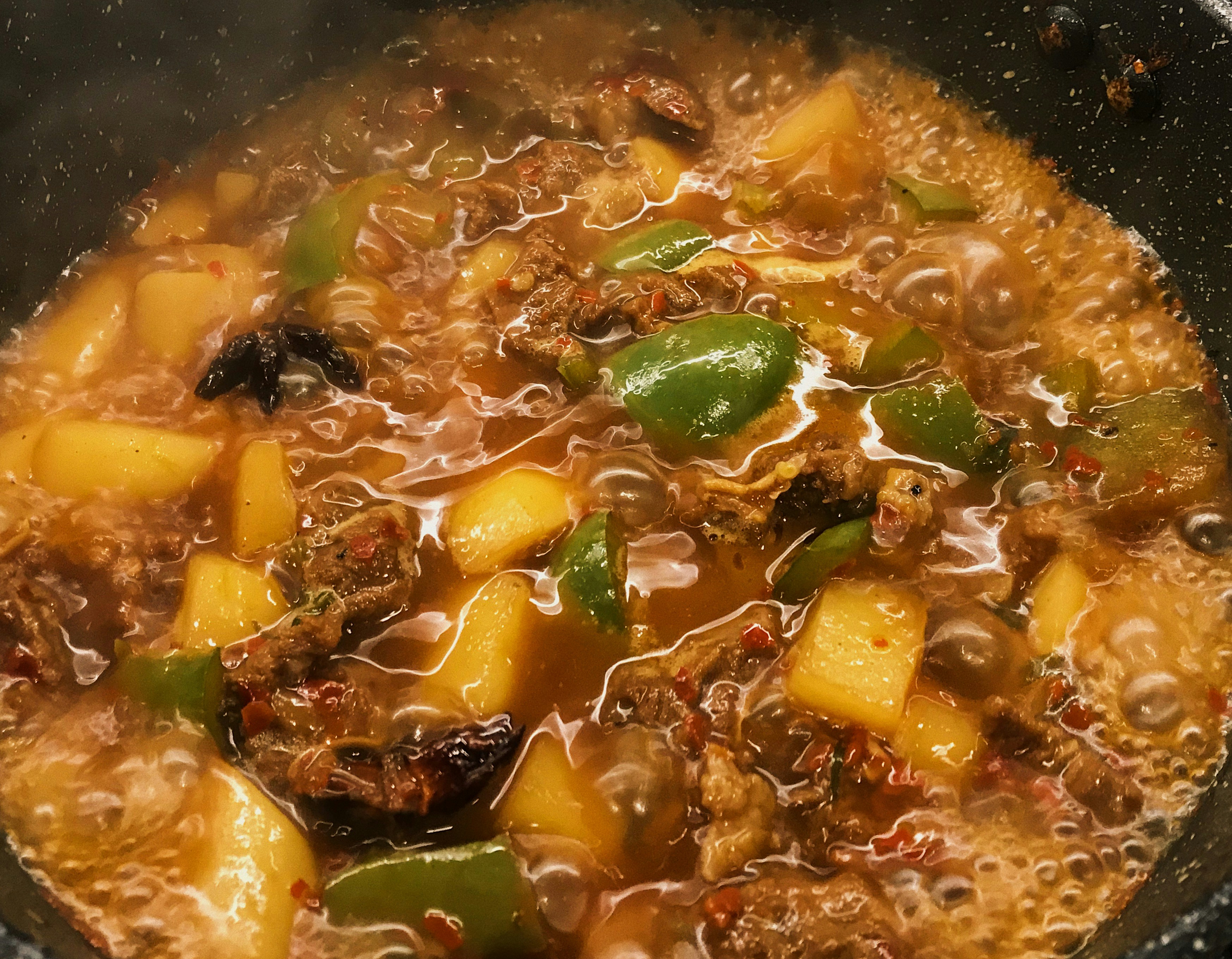
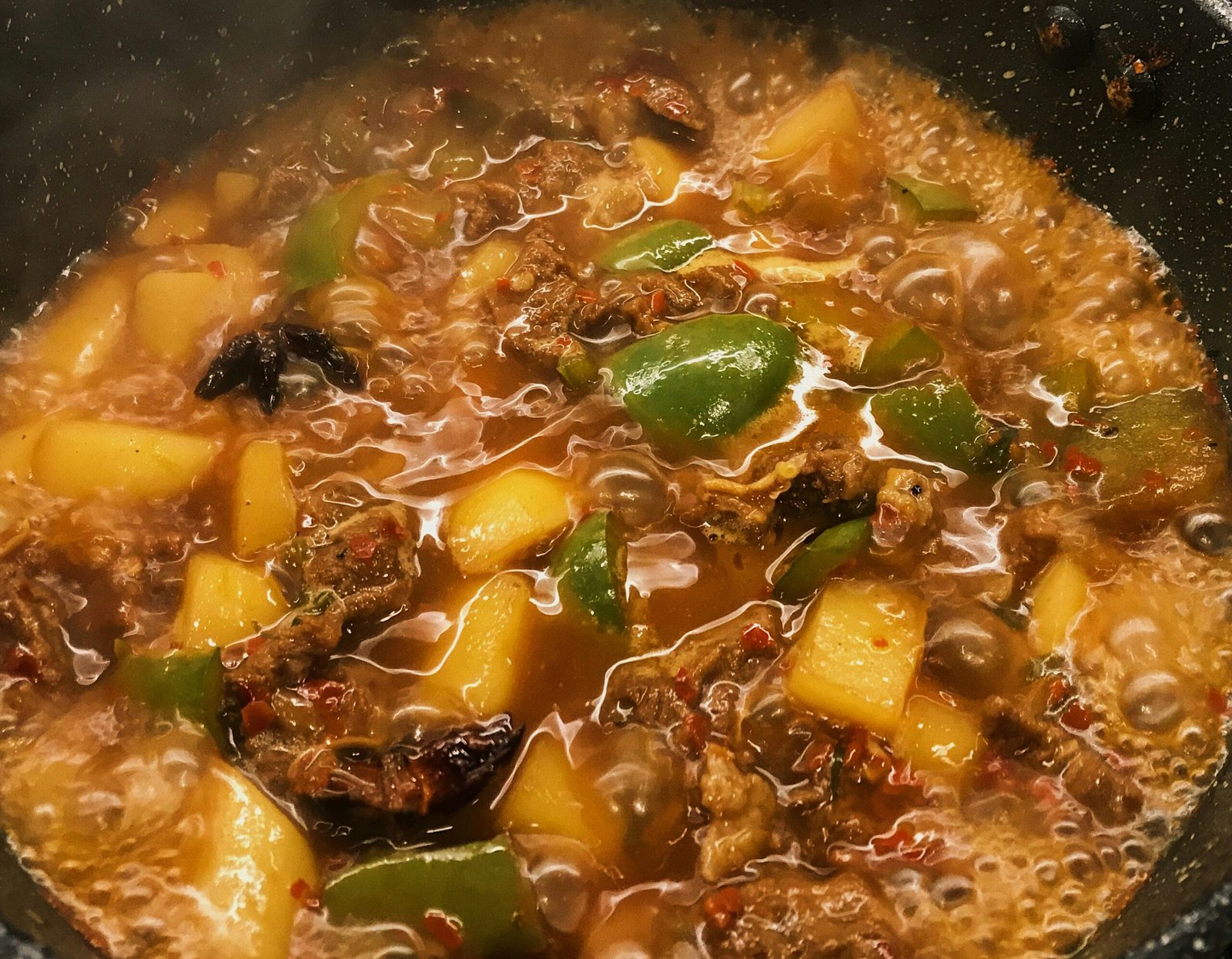
The Heart and Soul of Beef Stew: A Cultural History
Beef stew is more than just a meal; it carries with it a rich tapestry of cultural history that spans across many regions of the world. Originating from humble beginnings, the dish has evolved into a beloved comfort food in numerous cuisines. The simplicity of its ingredients—beef, vegetables, and broth—reflects a rustic tradition that was born out of necessity and resourcefulness, allowing cooks to use tougher cuts of meat and transform them into tender, flavorful meals.
Different cultures have embraced beef stew and infused it with local flavors and ingredients, creating distinct variations that resonate deeply with their culinary identity. For instance, in traditional Irish cuisine, the classic Irish beef stew is expertly crafted with stout beer, potatoes, and root vegetables, serving as a nostalgic reminder of hearty family gatherings. Similarly, in France, the boeuf bourguignon showcases the region’s renowned wine, elevating the humble stew to a gourmet level while providing a taste of French culinary heritage.
The emotional connections people have with beef stew often transcend mere nourishment. Many individuals associate it with fond memories of family meals and gatherings during colder seasons, where the dish has been a centerpiece of comfort. The simmering pot of stew evokes feelings of warmth and love, making it a perfect embodiment of home-cooked food. It is no wonder that beef stew holds such a special place in the hearts of many; it represents not just sustenance but also a sense of belonging and tradition that has been passed down through generations.
Exploring the cultural history of beef stew reveals a greater appreciation for this versatile dish. Across various tables and kitchens, it serves as a reminder of the rich narratives that come from our collective culinary experiences, solidifying beef stew’s place as a comforting staple in households worldwide.
Ingredients You’ll Need for the Perfect Beef Stew
To create a comforting and delicious beef stew, it is essential to gather high-quality ingredients that contribute to the robust flavor and texture of the dish. The foundation of any great beef stew lies in the type of beef used. Typically, cubed chuck roast is preferred due to its marbling and tenderness when cooked slowly. Alternatively, you may opt for brisket or round cuts, which also yield flavorful results.
Vegetables play a vital role in enhancing the stew’s flavor profile. Common choices include carrots, onions, and potatoes. Carrots add natural sweetness and vibrancy, while onions provide a savory base. Potatoes contribute heartiness, and their starch helps thicken the stew as it simmers. You can also consider adding parsnips or sweet potatoes for variety.
The inclusion of aromatic herbs and spices further elevates your beef stew. Fresh thyme and bay leaves are traditional options, imparting earthy notes to the dish. Additionally, garlic enhances the overall flavor and promotes a rich aroma. If you’re seeking a hint of heat, consider incorporating a pinch of black pepper or red pepper flakes.
Liquid components are crucial for the stew’s consistency and depth of flavor. Beef broth is the primary choice, but you can substitute it with vegetable broth or even red wine for a nuanced taste. The liquid should cover the ingredients but not drown them, ensuring that the stew develops a robust, concentrated flavor.
Lastly, always prioritize freshness and quality in your ingredients. Fresh herbs and seasonal vegetables can significantly enhance the dish. Should you have dietary preferences or specific ingredient availability, feel free to make substitutions, ensuring that your beef stew remains satisfying and delicious.
Step-by-Step Instructions to Make Easy Beef Stew
To prepare a delicious beef stew, begin by gathering all necessary ingredients: beef chuck, potatoes, carrots, onions, garlic, and a selection of herbs and spices. Additionally, you will need some broth, typically beef or vegetable, for flavoring.
Start by cutting the beef chuck into 1-inch cubes. This size ensures even cooking and tender bites. Season the beef generously with salt and black pepper. Next, heat a large pot or Dutch oven over medium-high heat. Add a couple of tablespoons of vegetable oil. Once the oil is shimmering, place the beef cubes in the pot in a single layer, being careful not to overcrowd them. Allow the meat to brown on all sides; this step is crucial as it enhances the stew’s flavor through the Maillard reaction. Browning should take about 4-5 minutes. Once browned, remove the beef from the pot and set it aside.
In the same pot, add diced onions and cook them until they become translucent, scraping up any browned bits stuck to the bottom. This depth of flavor is essential. After the onions are cooked, add minced garlic and cook briefly, about 30 seconds. Next, incorporate diced carrots and potatoes, mixing them well with the onions and garlic. Return the browned beef to the pot.
Pour in enough broth to cover the ingredients completely, typically around 4-6 cups. At this point, add herbs such as thyme and bay leaves, which will infuse the broth with aromatic flavors. Bring the mixture to a gentle boil, then reduce the heat to low and cover the pot. Let the stew simmer for about 1.5 to 2 hours. Stir occasionally to prevent sticking.
During the last 30 minutes of cooking, taste the broth and adjust the seasoning, adding more salt or herbs as desired. When the beef becomes tender and the vegetables are cooked through, your comforting beef stew is ready to be served.
Serving Suggestions and Variations of Beef Stew
Beef stew is renowned for its rich flavors and comforting qualities, making it a versatile dish suited for various occasions. When serving beef stew, consider pairing it with crusty artisanal bread or dinner rolls, which are perfect for soaking up the delicious broth. For a heartier meal, a side of fluffy rice or creamy mashed potatoes can complement the dish beautifully, providing additional substance and texture. Alternatively, serve it alongside sautéed seasonal vegetables, such as green beans or carrots, to enhance the meal’s nutritional profile.
Variations on the traditional beef stew recipe can elevate the dish and cater to diverse palates. For instance, incorporating different herbs and spices can result in exciting flavor profiles. Consider adding fresh thyme, rosemary, or bay leaves for a fragrant twist. If you enjoy a bit of heat, a dash of smoked paprika or cayenne pepper can add warmth without overwhelming the dish. Additionally, substituting beef broth with red wine can introduce depth and richness, creating a more complex flavor experience.
The addition of various vegetables can also personalize your beef stew. Root vegetables such as parsnips or sweet potatoes can enhance sweetness, while adding dried mushrooms can lend an earthy aroma. Moreover, for those interested in an unconventional twist, incorporating beans or lentils can transform your stew into a filling meal that caters to vegetarian preferences.
When it comes to leftovers, beef stew can be easily repurposed. Consider making a beef stew pot pie for a delightful next-day meal or transforming it into a savory filling for tacos. Whether through creative serving suggestions or innovative variations, beef stew offers endless opportunities for personalization, ensuring that it remains a favorite in your culinary repertoire.