
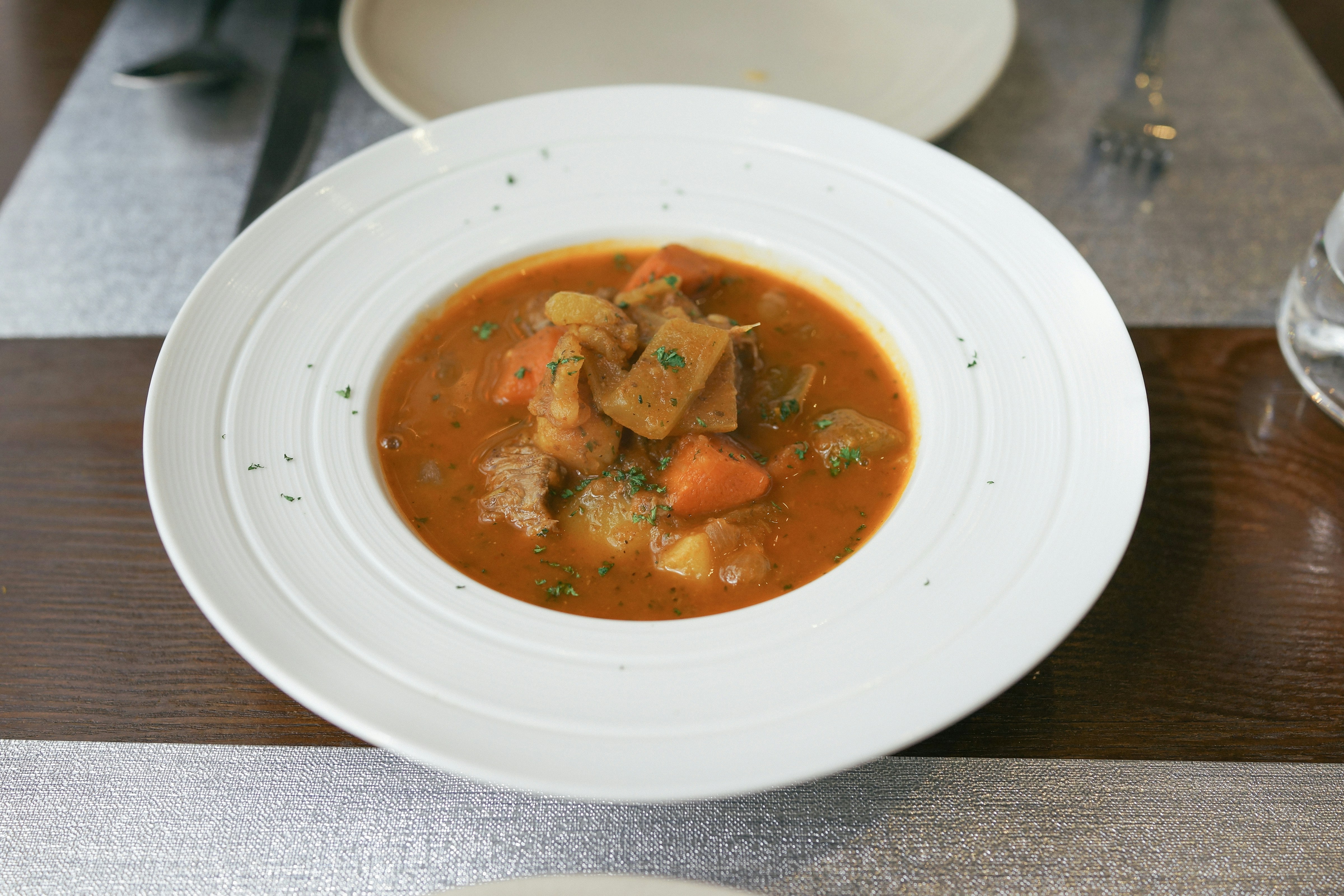
Introduction to Beef Stew
Beef stew is a hearty dish that is cherished across various cultures, known for its comforting and satisfying qualities. At its core, this dish consists of tender chunks of beef slow-cooked in a rich broth, typically accompanied by a variety of vegetables such as potatoes, carrots, and onions. The essence of beef stew lies in its ability to bring warmth and nourishment, making it a staple for family gatherings and a popular choice during the colder months.
The origins of beef stew can be traced back to ancient culinary practices, where cooked meat combined with available vegetables was a fundamental method of preparing meals. Over time, different cultures have crafted their unique versions of stew, adapting the ingredients and cooking methods to suit local tastes and traditions. In the United States and Canada, for example, beef stew often incorporates hearty root vegetables, while British versions may emphasize a thicker gravy with a comforting consistency.
In the United Kingdom and Australia, beef stew is often considered a quintessential meal, enjoyed by families across the generations. Its global popularity stems from its versatility and straightforward cooking process, which allows it to be made in large quantities, perfect for feeding a crowd. The slow cooking method not only enhances the flavor of the beef but also breaks down the connective tissues, resulting in a tender and flavorful dish that warms the heart and soul.
As the chilly months approach, many seek out the familiar warmth of beef stew, appreciating the time-honored tradition of gathering around the dinner table for a nourishing and filling meal. Whether served at a festive occasion or a simple weeknight dinner, beef stew embodies the essence of comfort food, bringing people together while satisfying multiple palates with its rich flavor and texture.
Ingredients Needed for Perfect Beef Stew
To prepare a delicious beef stew, selecting the right ingredients is crucial. Each component not only contributes to the overall flavor but also affects the texture and consistency of the dish.
Beef: The primary ingredient is typically chuck roast, chosen for its marbling and richness. The fat content enhances the stew’s flavor as it slowly cooks, becoming tender and juicy. For those looking for alternatives, brisket or round cuts can be substituted, though they may require longer cooking times to achieve tenderness.
Vegetables: Traditional stews include a mix of hearty vegetables such as carrots, potatoes, and onions. Carrots add sweetness and color, while potatoes absorb the stew’s flavors and contribute a creamy texture. Onions form the essential aromatic base. If you prefer alternatives due to dietary preferences, parsnips or sweet potatoes can work well, bringing their unique tastes to the dish.
Herbs and Spices: Fresh herbs, notably thyme and bay leaves, infuse the stew with earthy aromas. Dried herbs can also be utilized if fresh options are unavailable. Additionally, seasoning with salt and pepper early in the cooking process enhances flavors, while adding further spices such as paprika or rosemary can create depth.
Liquid: A combination of beef broth and red wine is often used to achieve a robust flavor. The broth provides a savory base, while red wine adds acidity and complexity. When substituting, chicken broth or vegetable stock can be effective alternatives, though they may alter the final taste slightly.
Thickener: Flour can be used to help thicken the stew, giving it a rich consistency. Some prefer to use cornstarch as a gluten-free option, which can be added at different stages of cooking for desired thickness.
In conclusion, using fresh and high-quality ingredients is paramount when preparing beef stew. Each element plays a vital role in achieving a rich and flavorful dish that is satisfying and enjoyable.
Step-by-Step Cooking Instructions
Preparing a hearty beef stew involves several straightforward steps that ensure both flavor and tenderness in the final dish. The first step is to gather all necessary ingredients, which should include beef (preferably chuck), onions, carrots, potatoes, garlic, beef broth, and a selection of herbs and spices.
Begin by preparing the meat. Cut the beef into 1-2 inch chunks, ensuring they are roughly uniform for even cooking. To achieve a deep, rich flavor, it is essential to brown the meat. Heat a couple of tablespoons of oil in a large pot or Dutch oven over medium-high heat. Add the beef chunks in batches, making sure not to overcrowd the pot; this allows for proper browning. Sear the meat on all sides until a golden crust forms, which should take about 5-7 minutes per batch. Remove the browned meat and set it aside.
Next, it is crucial to build depth of flavor. In the same pot, add chopped onions and carrots. Sauté for about 5 minutes, stirring frequently, until the onions become translucent. Add minced garlic and cook for an additional minute until fragrant. The browned bits left on the bottom of the pot can be deglazed by pouring in a cup of beef broth and scraping the surface with a wooden spoon. This process captures the flavors from the meat and vegetables.
Once deglazed, return the beef to the pot and add the remaining beef broth, along with cubed potatoes and any herbs such as thyme or bay leaves for added flavor. Bring the mixture to a gentle boil, then reduce the heat to low and cover the pot. Allow the stew to simmer for at least 1.5 to 2 hours, stirring occasionally. This slow cooking method helps to break down the beef, resulting in tender chunks that soak up the flavors of the stew. Adjust seasoning with salt and pepper to taste before serving.
Serving Suggestions and Variations
Beef stew is a versatile dish that can be served in numerous ways to suit various preferences. To enhance the heartiness of the stew, consider pairing it with crusty bread, fluffy rice, or creamy mashed potatoes. These accompaniments not only complement the stew but also provide a satisfying base to soak up the rich flavors.
For those looking to adjust the recipe to fit their personal taste, there are several variations worth exploring. One can easily incorporate different vegetables such as carrots, peas, or even mushrooms to add depth and texture. Additionally, spices and herbs can be introduced to elevate the stew’s flavor profile. For instance, a sprinkle of thyme or a dash of paprika can create a unique taste experience.
Encouraging creativity in the kitchen is paramount when making beef stew. Experiment with different types of beef cuts or opt for a mix of meats for a more complex flavor. Additionally, substituting a portion of beef broth with red wine can impart a delightful richness to the dish. As tastes vary, you might also consider introducing a touch of heat with red pepper flakes or a hint of sweetness with diced tomatoes or sweet bell peppers.
Ultimately, this beef stew recipe serves as a canvas for your culinary imagination. Whether you prefer it classic or with a twist, feel free to make the dish your own. Don’t forget to share your experiences and any innovative adaptations you might try, as this might inspire others to savor their own versions of this comforting favorite.